

Tag: HIV

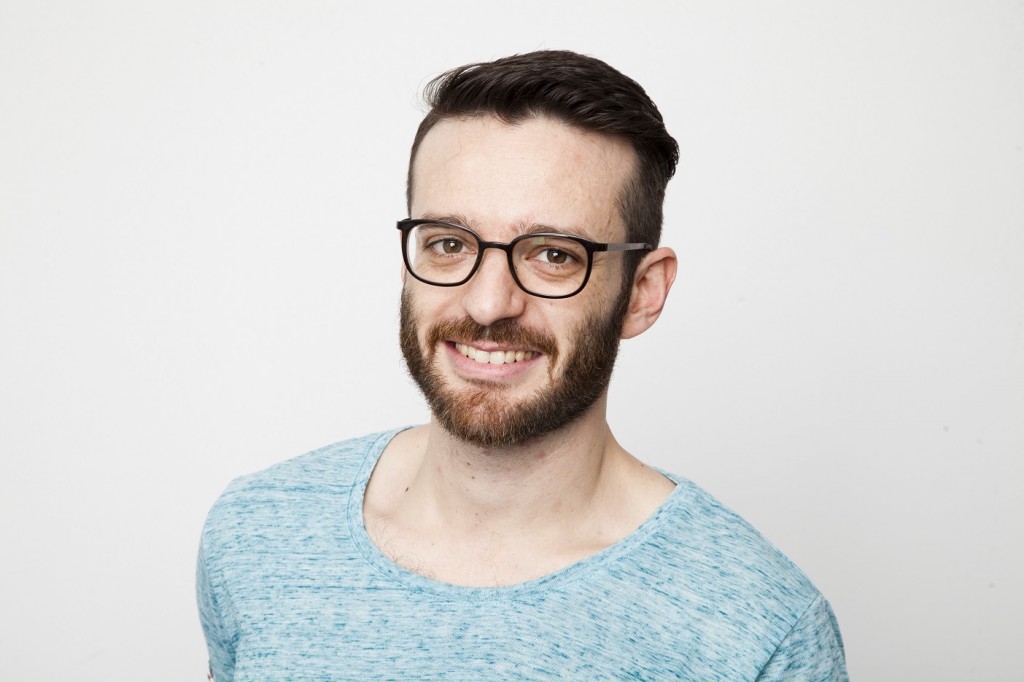
  • Max (21): "I'm no different to other gay boys"

    Max (21) about his life with HIV infection
    Photo: Private

    Max is 21 years old, studies in Jena and came out as HIV-positive more than a year ago. He is happy about this decision and would like more positive guys to say that they have HIV. A conversation about unfounded worries, the point at which internet dating becomes unsexy and what a report about the "Testhelden" campaign by ICH WEISS WAS ICH TU triggered in him

    How openly do you live with HIV in the gay scene?
    Quite openly. This isn't the first interview I've given about it and the vast majority of people in my immediate environment know about it. If dating portals offer the option of declaring your HIV status, then I do that too. Or I bring it up when it becomes necessary. But it's also not the first thing I tell people about myself. Although it's strange now when people don't know.

    What do you mean by that?
    Being open about the fact that I am positive simply makes things, conversations and general dealings with others less complicated. The hurdle is removed, everyone knows and that's good. If someone comes along who doesn't know, there is often a need for explanation. This complicates the situation again and the issue comes to the fore. And that triggers unease, which is not really necessary.

    "If I can help others to protect themselves, that's great."

    Was it easy for you to come out publicly?
    My public outing came about like this: I read a report on a website about this "Testhelden" campaign that impressed me. I then contacted the author to tell him about it. He then said: "Could you imagine talking publicly about your infection yourself?" And I could. I wasn't that scared of it. There are far too few people who do that. And that's why many other people don't realise that the lives of most positive people are not much different from those of negative people. And I'm still glad I did it. If I can help others to protect themselves, that's great.

    "I then have to explain that protection through therapy works and that I am not infectious."

    How do other people react when you tell them that you are positive?
    Especially today, when my HIV status has become quite normal for me, I am always surprised by how much some people worry. Not about being infected by me. Most people are well aware of that. But many people still think that I'll get ill at some point and then die far too early or something. And it's not always easy to make them realise that I'm doing really well and that I'm not actually affected by HIV at all. It's annoying from time to time. When dating on the Internet, the matter also comes up at some point and many people react with great naturalness. But some don't either. I then have to explain that protection through therapy works and that I'm not infectious. Unfortunately, that quickly makes things unsexy.

    Fear of stigmatisation among young positives

    Do you know other young positives? How do they deal with their infection?
    I study in a smaller town, the scene here isn't huge. After I came out publicly, some of my friends came out to me. And what I generally notice is that there are now some young positives who are very open. But many others don't want it to be publicised and only talk about it with a few other people.

    "After coming out, you definitely become a topic of conversation."

    Why do you think that is?
    Well, they're afraid of being stigmatised. And that's not entirely unjustified. After coming out, you definitely become a topic of conversation. The general level of information about the lives of HIV-positive people is not great and prejudices and rumours can easily arise that make life more difficult. Many people are also afraid of jeopardising their professional future if it becomes known that they are positive.

     

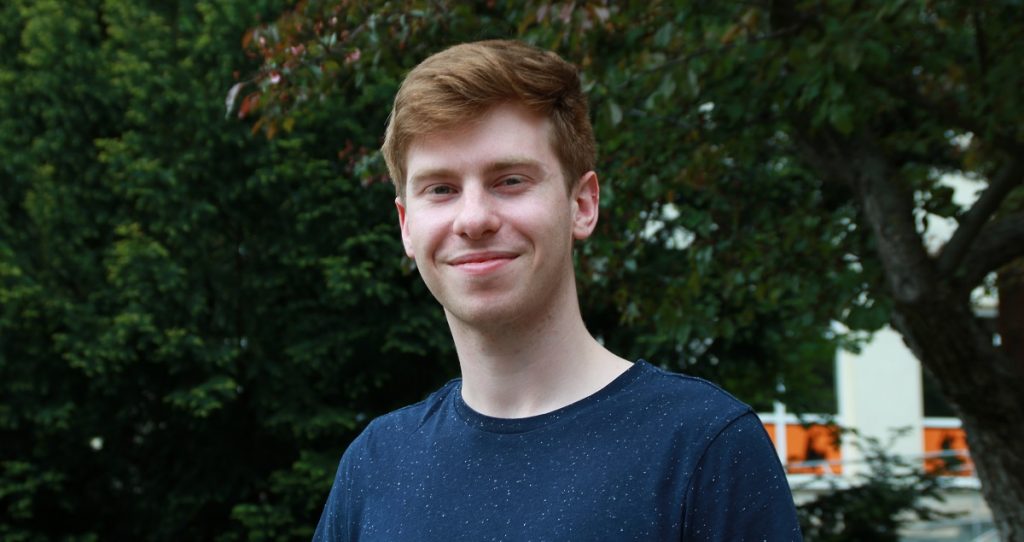
    Max (21), student in Jena, Thuringia
    Photo: Private

    "And some negative people could relax when dealing with positive people."

    And what can we all do about it together?
    Good question. If positives are open about their infection, negatives have a chance to learn first-hand that living with HIV in 2017 no longer means being ill. We live completely normal lives and there are no longer any visible differences between positives and negatives. And some negatives could relax when dealing with positives. (laughs) And inform themselves better so that stigma is prevented before it happens.

    How does HIV affect your life today?
    I take two tablets every day, that's it. But that's now also automated, like brushing my teeth, and nothing I think about anymore. Apart from that, I'm probably no different to many 21-year-old gay boys all over the world.


    You can find out more about living with HIV at iwwit.de!

  • Reference person and confidant

    Reference person and confidant

    Volunteering: reference person and confidant
    © SP-PIC - Fotolia.com

    Theo (name changed) is 42 years old. He has been a volunteer at the Berlin AIDS service organisation Aids-Hilfe for nine years, providing emotional support for people with HIV. A portrait of Moritz Krehl

    In 1998, Theo was diagnosed as HIV-positive - a shock.

    Five years later, he voluntarily resigned from the church and moved to Berlin to find happiness. However, the separation from his former boyfriend, professional turbulence and few social contacts initially lead him into loneliness. Theo had not imagined the start would be so difficult. But instead of resigning himself and sitting at home until he becomes depressed, he joins the Berlin AIDS service organisation, BAH for short, to do voluntary work - a way out of isolation for him.

    BAH has ten to fifteen areas in which voluntary work is possible.

    Theo decides in favour of the "escort". There are three groups there: The volunteers from "Freunde im Krankenhaus" (Friends in Hospital), or FRIKS for short, accompany Aids patients who have to stay in hospital long-term. Those involved in "emotional support in prison" meet regularly with prisoners infected with HIV or suffering from AIDS. Theo works in the third group, "emotional support". Here too, the aim is to accompany people with HIV on their way out of the crisis, to give them back some of their quality of life and to be a carer and confidant.

    The "accompaniment" was launched in the 1980s, during the worst times of the AIDS crisis.

    Even back then, the volunteers accompanied HIV-positive people, but above all AIDS patients - until they died. In those days, it was often end-of-life care; the end of the accompanied path was predetermined from the outset.

    Even today, companions like Theo take HIV-positive and AIDS patients by the hand and give them a sense of security and familiarity. Unlike in the past, however, the end is no longer predetermined, thanks to modern medication. Today, intensive discussions between the counsellor, the person being accompanied and the AIDS service worker, as well as supervision, determine when it makes sense to end the support. In most cases, this is when the crisis has been overcome or when it becomes clear that the counselling cannot achieve the desired goals. The journey together can be short, but it can also extend over many years.

    What has not changed, however, is that AIDS often leads to social marginalisation.

    The disease isolates the patients, they become lonely. Resignation, depression and lethargy are frequent consequences, although Theo is convinced that an HIV diagnosis rarely creates new problems, but rather reinforces psychological predispositions - as can happen in critical life situations.

    To counteract isolation, the counsellors have contact with their clients at least once a week; preferably in person, but sometimes just on the phone. And although Theo, like most of the counsellors, works and has little time, he even spends the whole Saturday with his current client Benjamin (name changed) every fortnight to take him on an outing, go for a coffee or simply talk to him and listen to him.

    The man with Aids is about the same age as Theo himself - and only his second client in nine years. Theo has been accompanying Benjamin for four years now. You can tell that Theo cares about Benjamin's fate, but also that he doesn't care where he comes from or how he got into this situation. Theo doesn't pass judgement, he is concerned with the person and the path that lies ahead of him. "I want to help him experience his life."

    What did Theo gain from his involvement in the Berlin AIDS service organisation, and why is he still involved?

    He sought and found connections, he says. The supervision group gave him support. And he has found friends at BAH, a good network that he no longer wants to do without. The work also offers him "a social alternative to the cerebral desk life" and gives him the feeling that he is doing something good. And last but not least, he learns a lot about himself. In joint supervision sessions, Theo talks to the others about his personal problems and difficult moments during counselling. "I often get feedback that makes me think and helps me to develop personally."

  • positive voices 2.0

    positive voices 2.0

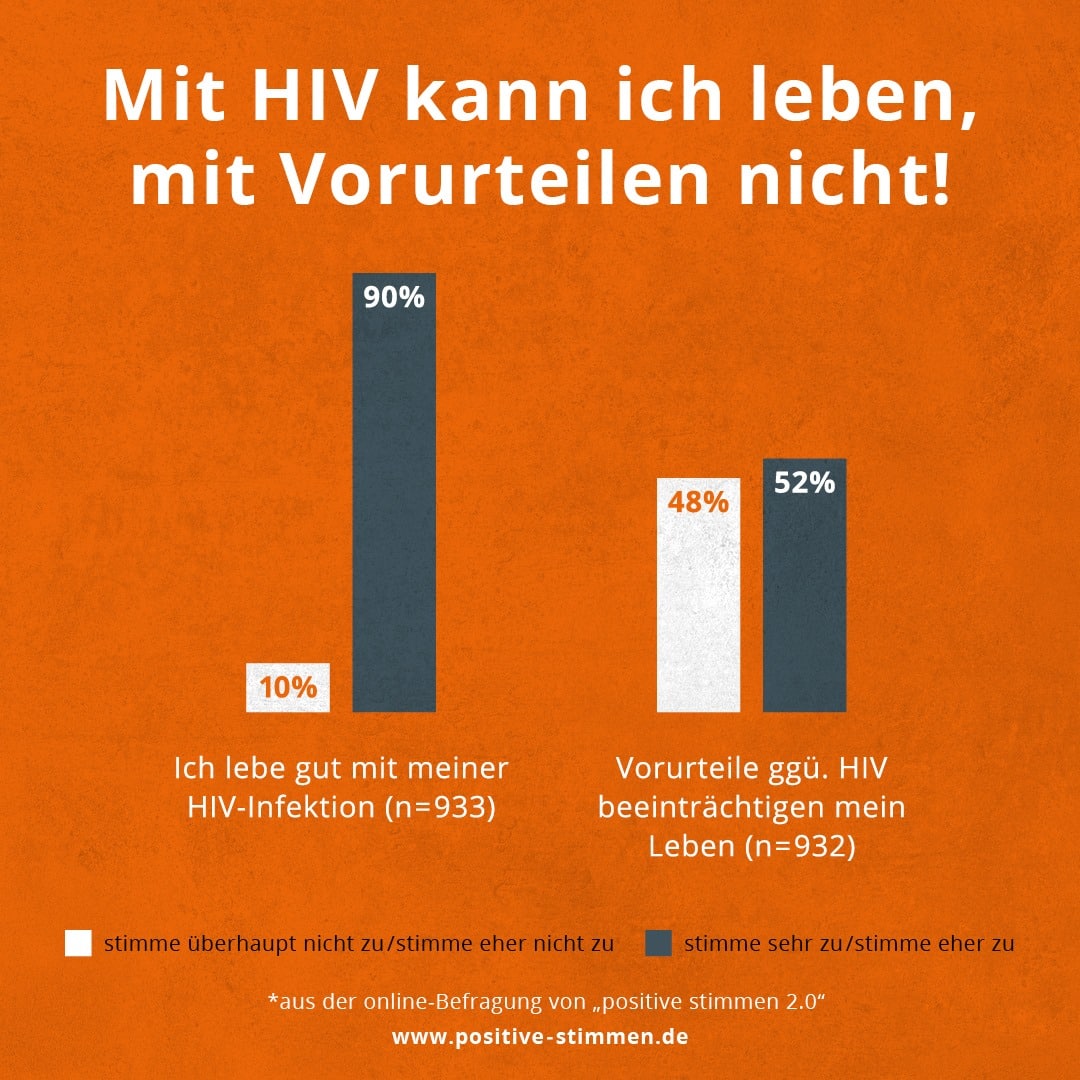
    "Prejudices against people with #HIV affect my life"

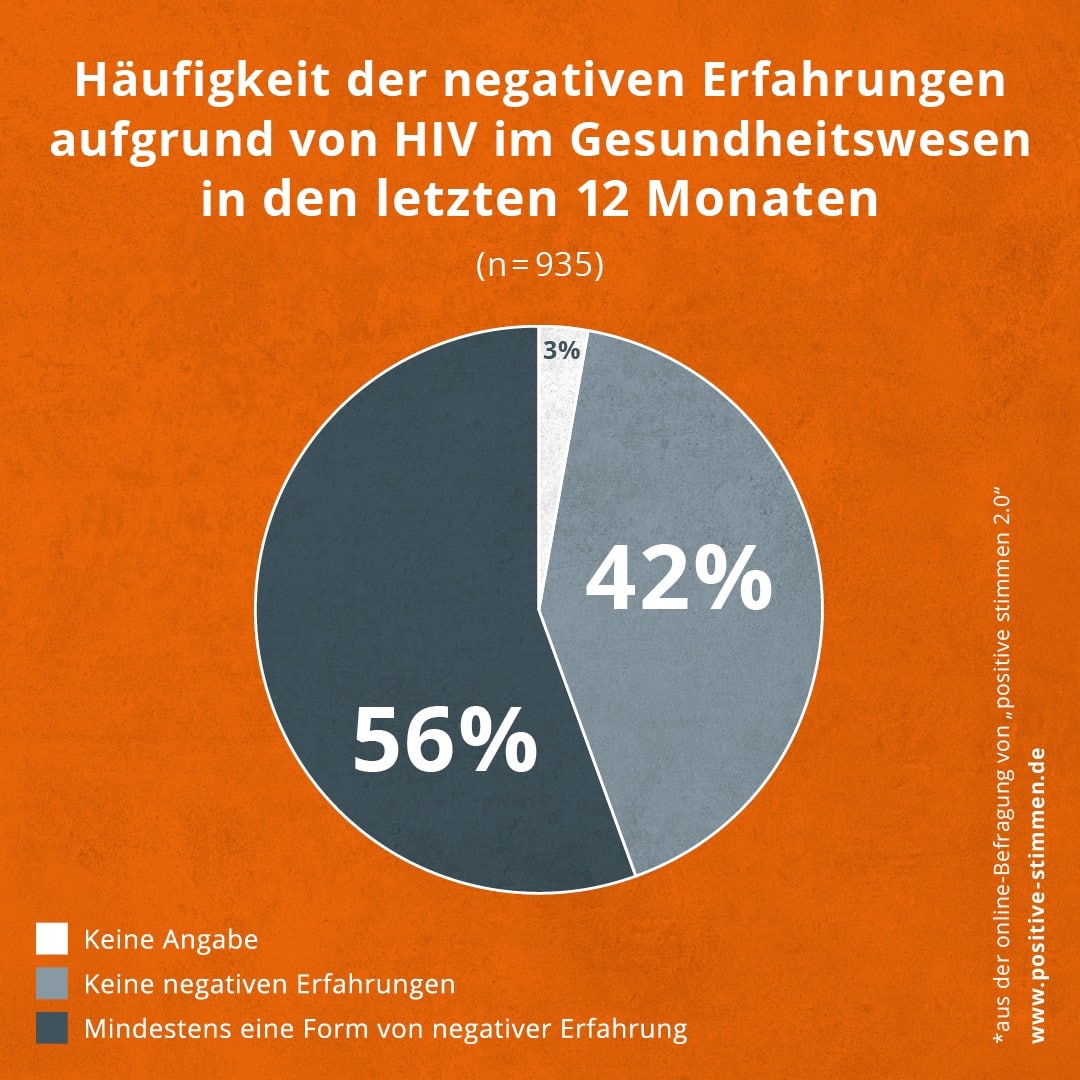
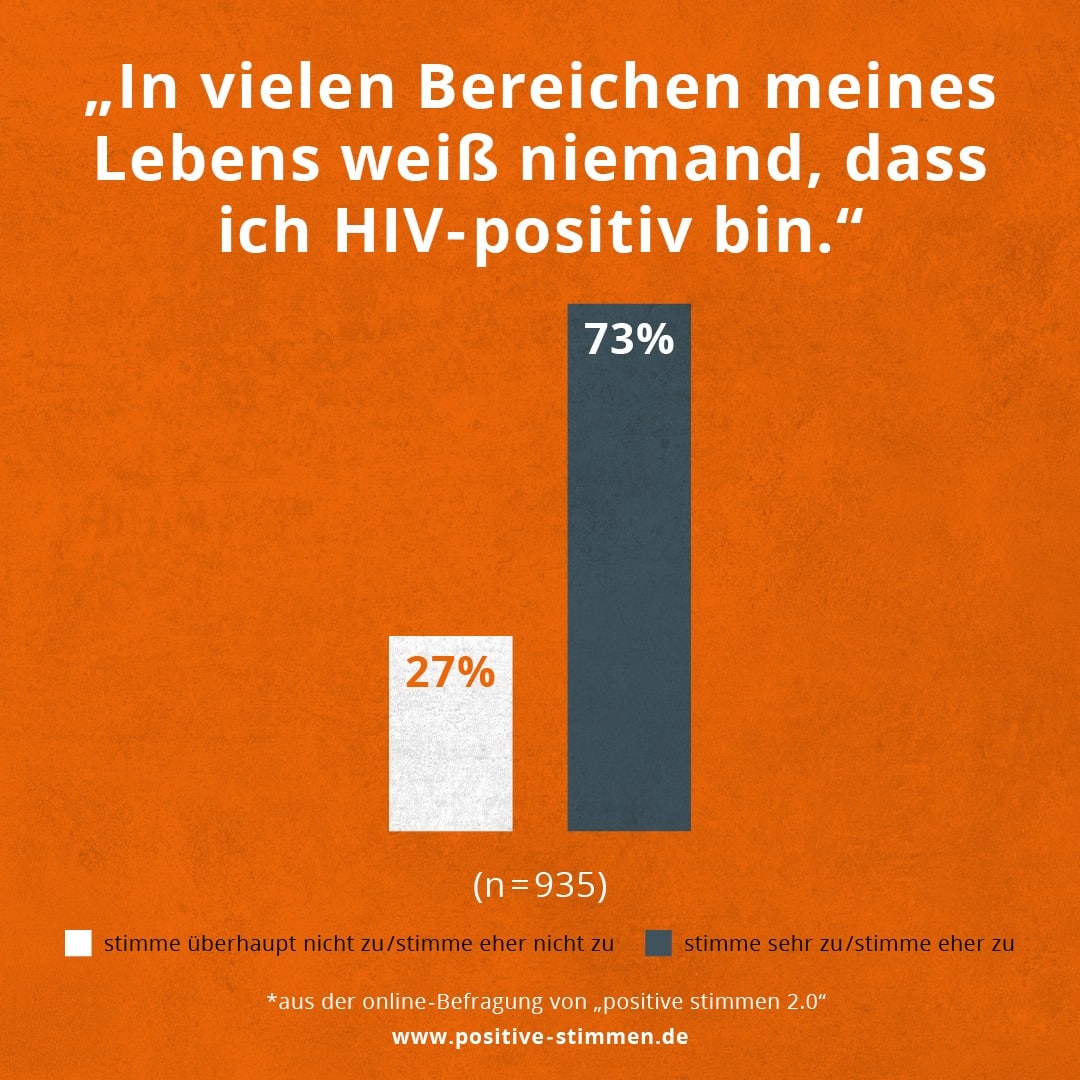
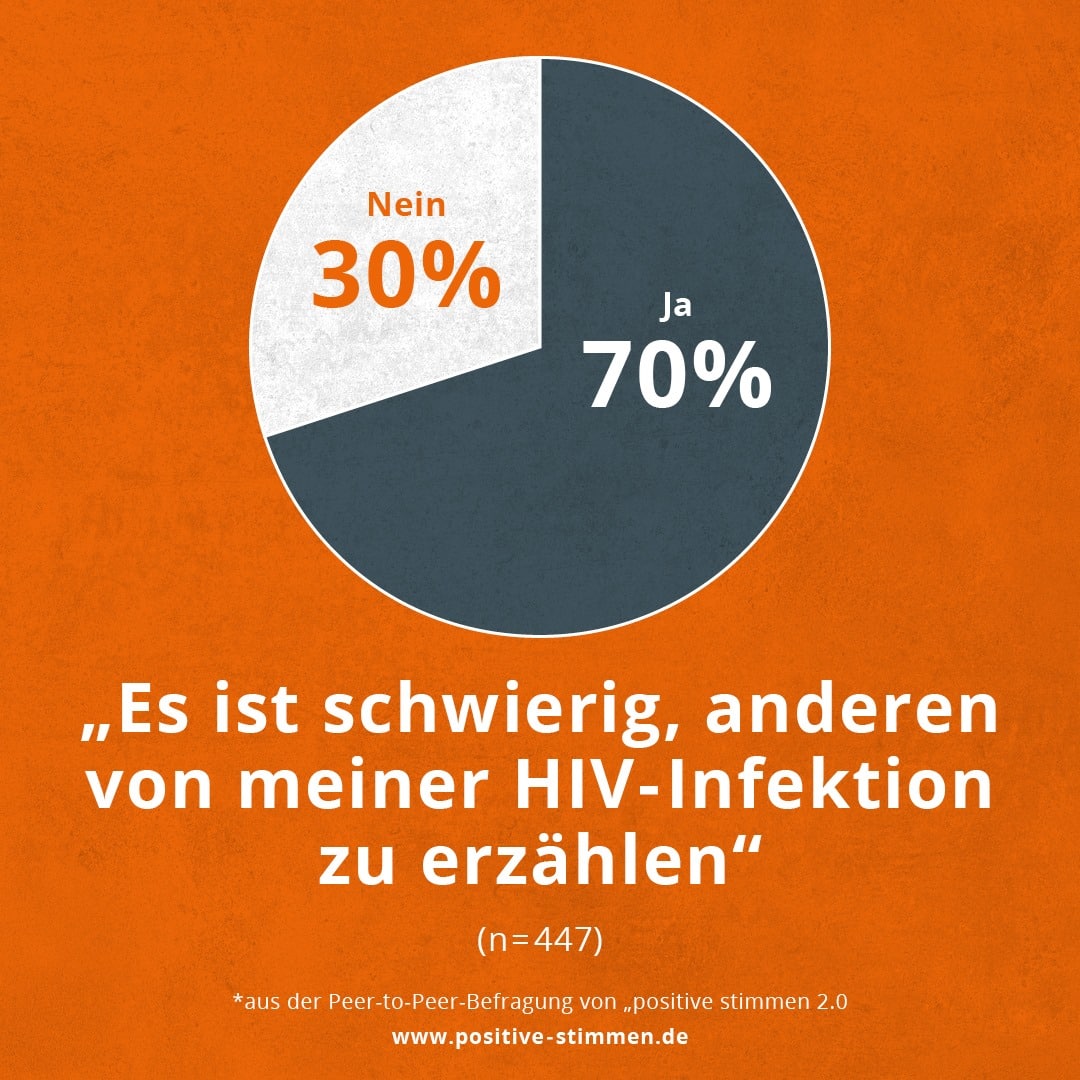
    This statement applies to half of the people with HIV who were surveyed in the "positive voices 2.0" study. Today, we presented the results of the participatory research project. It is clear that the lives and everyday lives of people with HIV are much more restricted by experiences of discrimination than by the health aspects of the infection. Conclusion: A good life with HIV is medically possible - the way society deals with it is lagging behind.

    💡 Further information, the results and recommendations for action based on them can be found at

    www.positive-stimmen.de

    ➡ You can find the press release at https://www.aidshilfe.de/…/leben-hiv-heute-vorurteile…

    People with HIV are often affected by stigmatisation and discrimination.

    For them, the perceived and internalised stigmatisation and the discrimination they experience can have a significant impact on their quality of life and health - the results of "positive voices 2.0" underline this.

    Stigmatisation and discrimination

    At the same time, stigmatisation is the biggest obstacle to HIV prevention. This is because (feared) marginalisation and stigma-based disease theories (e.g. assumptions about so-called risk groups
    and transmission routes) have an impact on the willingness to be tested for HIV and, on the other hand, HIV testing is not recommended for people who are not considered to be at risk - especially women.
    over the age of 40 - are not actively offered. Stigmatisation and discrimination therefore contribute to the fact that even today in Germany around 1/3 of HIV infections are only diagnosed at a late stage and people have to accept significant health disadvantages as a result, as they cannot benefit from timely HIV treatment.

    Intersectional aspects

    Intersectional aspects also play a major role in relation to HIV. From the very beginning, HIV has been made into an infection of the "others". For example, HIV - regardless of statistical facts - is primarily attributed to groups that were already stigmatised even before the start of the HIV pandemic, such as "promiscuous" gay men, sex workers, drug users and black people. In addition, many people with HIV experience stigmatisation.
    not only because of their HIV infection, but also because of other stigmatisation characteristics, e.g. as a gay man, as a trans* person, as a Black or person of colour, as a woman, as a drug user, as a woman, as a woman or as a woman of colour.
    Person or sex worker.

    These stigmas not only overlap, leading to "more" stigma, but also to "more" stigma.
    tisation and discrimination, but they are interwoven and lead to specific experiences of stigmatisation and disadvantage. For example, the life of an HIV-positive young gay cis man who comes from a middle-class background and has a university degree may be less different from that of an HIV-positive gay man who comes from a middle-class background and has a university degree.
    HIV-negative man, while an HIV-positive Black woman without a residence permit and health insurance is likely to have difficulties obtaining vital medication and caring for her health.

    www.positive-stimmen.de

  • Against shame and sin

    Against shame and sin

    The TV series "It's a Sin" shows LOVE IN TIMES OF AIDS

    The counterpart to "Queer as Folk": the TV series "It's a Sin" looks back to London in the 1980s, when the gay scene there was also overrun by AIDS. A masterpiece that not only tells of the past, but also of the here and now.

    (Spoiler warning: This article contains spoilers for the series "It's a Sin")

    You don't need prophetic abilities to predict the future of this series: it will soon be part of the gay community's cultural memory, just like "Pose" or "Queer as Folk". In other words, TV series that also tell queer stories and history in such a way that they themselves create lasting memories.

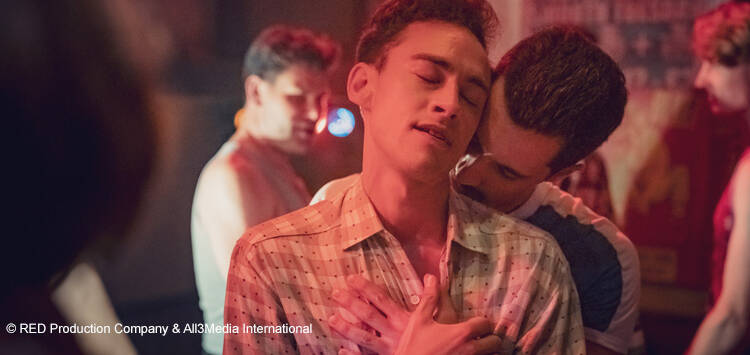
    Scene from episode 2 of the TV series Gregory, Colin, Richie, Jill and Ash (from left to right) (© RED Production Company & All3Media International)
    Scene from Episode 2 Gregory, Colin, Richie, Jill and Ash (from left to right) (© RED Production Company & All3Media International)

    Queer history as a TV series

    Because the characters in "It's a Sin" make you feel the excitement up close. With their departure into the adult world and the euphoria of sexual liberation and self-awareness. You get so close to them in the five episodes! We accompany them so intensively through the highs and lows that you almost inevitably feel part of this queer family of choice.

    And above all, Russel T Davies, the creator of this TV mini-series, repeatedly manages to create scenes and images that literally burn themselves into the viewer's memory and will stay with them for a long time to come.

    Enduring inner contradictions

    Also because the overlapping feelings of rebellion, happiness, despair, incomprehension and hope are often captured in a single image. For example, when the parents of party-loving ticket inspector Gregory build a funeral pyre in the garden after his death. They burn his bed and all of their son's personal belongings there, including his childhood photos and snapshots with his friends in faraway London. As if they could erase his gayness and his AIDS.

    Or Ritchie, who didn't dare to pick up his test result and ignored all the signs. Only now that the disease has broken out does he have the courage to reveal himself - in his very own way - to his closest friends: "I wanted you to be the first to know: I'm going to live!"

    "I wanted you to be the first to know: I will live!"

    Olly Alexander (who many will know as the frontman of the band Years & Years) puts everything his character has to endure in terms of inner contradictions into this short sentence. The relief of finally being able to confide in the most important people, the shame of having lied to them for so long and the fear that his future could be very short. And then there is also the defiance of not wanting to let them get him down and rob him of his zest for life.

    Gay television history for a broad audience

    And because this does not leave the audience untouched, this scene also becomes an unforgettable moment. Russel T Davies not only knows his craft, he also knows how to use it masterfully - and that means writing for a broad audience without compromising on content.

    Consciously not reducing gay life and love to HIV and Aids

    He had already achieved this with series such as "Cucumber", "A Very English Scandal" and "Years and Years" and above all, of course, with "Queer as Folk". With the latter series, the British director and screenwriter wrote gay television history over 20 years ago. It was so successful that an even more internationally successful US remake was made a few years later.

    At the time, Davies had deliberately refrained from addressing HIV and Aids, but instead wanted to gay life and love without defining it by the illness.

    A new world in London in the 80s

    For him, however, it was now time to remember those years and at the same time come to terms with his own story. Davies has obviously packed a lot of his own story into Ritchtie, the smart, good-looking 18-year-old who opens up a new world in the gay scene of London in 1981 and enjoys the sexual opportunities that present themselves to him to the full. And Jill (Lydia West), Ritchie's best friend who, like him, is also studying acting, also has a real-life counterpart.

    Scene from episode 2 of the TV series Roscoe © RED Production Company & All3Media International
    Scene from Episode 2 Roscoe © RED Production Company & All3Media International

    Jill becomes a flatmate in the otherwise completely gay shared flat, which everyone affectionately calls the "Pink Palace". It's a small, conspiratorial, colourful bunch. Besides Ritchie, Roscoe (Omar Douglas) is also part of it. He turned his back on his strict religious family from Nigeria when they made plans to "cure" him of his homosexuality.

    Davies shows how to deal with the fear of AIDS, homosexuality and homophobia

    The pale Welshman Collin (Callum Scott Howells) starts an apprenticeship as a men's tailor in London, is considered uptight and shy, but, as time goes on, has experienced more than his friends realise.

    Russel T Davies also brings together a whole host of supporting characters around the clique. Among others, the prominent cast includes Stephen Fry and Neil Patrick Harris ("How I Met Your Mother"). This gives Davies plenty of opportunities to show how people deal with the fear of Aids, an infection, their own homosexuality and the homophobia of others - as well as their reactions to it.

    More than just a historical panorama of the AIDS era

    This TV series may seem far too short for that - after all, there are "only" five episodes of 45 minutes each - but Russel T Davies uses this time to create an incredibly broad panorama that is by no means limited to contemporary history. Because "It's a Sin" (named after the Pet Shop Boys' hit) does not focus exclusively on the devastating impact of the AIDS pandemic in London between 1981 and 1991.

    "I didn't want to write a drama about deathbeds"

    "I didn't want to write a drama about deathbeds," Davies explained in an interview, "but I wanted to recapture that era for myself and remember those lives with joy."

    For example, "It's a Sin" is about the justified fear of being ostracised - even by colleagues and family or the fear of dying. However, the series also tells the story of how homophobia functions and works on many different levels. But also how people can unite and strengthen each other. It shows what it takes to accept and live one's own sexuality in a positive way. And the value of friendship and humanity. And all this with plenty of empathy and humour.

    Scene from episode 1 of the TV series "It's a Sin"
    Scene from episode 1 of the TV series "Richie"

    TV series brings topics such as coming out, HIV and PrEP to the media

    And so "It's a Sin" is a series set in a decade long past. But because it deals with timeless themes, the series can still dock into the here and now. This is helped by the fact that the series makers have refrained from placing typical everyday objects from that era in an obtrusive and overly obvious way.

    Great success among young viewers

    Wide shoulder pads, new wave outfits and walkmans are almost nowhere to be found here. This also makes it easier for today's young audience to identify with their peers from the 80s and 90s.

    In the UK, the series was an enormous success, especially among young viewers. And it had a side effect that should not be underestimated: topics such as Coming out, HIVThe film, today's treatment options and PrEP were widely discussed in the media - and the HIV test figures rose by more than 400 per cent after the broadcast.

    Incidentally, Davies has saved one of the most impressive and unforgettable scenes in the entire TV series for the end. Jill meets up with Ritchie's mother on a harbour promenade on the Isle of Wight. The friends had previously been denied the chance to see their friend again.

    Life-affirming celebration of queer self-confidence

    Now Jill learns that Ritchie has already died - lonely and isolated in the bosom of the family. Russel T Davies has written a monologue for Jill that packs a punch. It is tantamount to a general reckoning. Above all, however, it formulates one of the central messages that Davies wants to convey with this TV series. It is a plea against shame and at the same time an indictment of all those who make people feel ashamed of their sexuality or HIV infection.

    A plea against shame

    Because only "shame makes you feel like you deserve it", says Jill. Without the shame, a freer approach to sexual identity and infection would be possible. However, shame may even be compounded by guilt because you may have passed the virus on to others.

    This makes "It's a Sin" an equal counterpart to "Queer as Folk". But "It's a Sin" is also an incredibly life-affirming celebration of self-empowerment and queer self-confidence.


    "It's a Sin" (Starzplay), video-on-demand on Amazon Prime Video

    You can find everything you need to know about living with HIV at iwwit.de/living-with-hiv!

  • Death of a porn actor

    Death of a porn actor

    In 2004, a 19-year-old New Yorker begins a career as a porn actor. Six years later, he is dead. Chad Noel died on 17 March 2010, possibly "after a brief illness related to complications caused by HIV". At least that's what it says in a message from a friend on an obituary website. He and the family of the deceased are wondering: How did this happen?   

    A young porn actor and his early death

    Chad Noel gained his first experience as a hardcore performer under the pseudonym Donny Price. He received his first contract with the Cobra Video label, which released "Every Poolboy's Dream" in 2004. A film that later caused a scandal: Chad Noel acted together with the then still underage porn star Brent Corrigan, who had posed as an adult with a fake ID.   

    Chad moved to Helix Studios and became known there as Craven Cox, later taking part in various fetish videos as Kyle Young.   

    Chad Noel, former porn actor, deceased 2010
    Chad Noel became known as Donny Price and died at the age of 25.

    HIV suspicion and risks in the porn industry

    The website "Gay Porn Gossip", which first reported the death of the 25-year-old, is now speculating about the possibility that Chad could have been infected while working for Helix Studios. So-called "bareback" films are produced there. Friends of Chad harbour this assumption, but there is no confirmation of this. However, young Helix actors have often told Gay Porn Gossip that they have been diagnosed with HIV.   

    Who is responsible for the health of porn performers?

    Themselves? The producers? The consumers of the films?   

    A fierce debate has been raging in the US hardcore industry for some time now. The question of filmmakers' responsibility is at the centre of this debate. In a campaign video, producer Chi Chi LaRue appealed to actors and consumers alike not to forget the condom.   

    In California, there was also a push to extend the rules for potential health hazards via labour law and to introduce a condom requirement in pornography.   

  • Hepatitis C in the (sex party) scene

    Hepatitis C in the (sex party) scene

    Franz and Manuel like fisting. If their hand is up their arse, they often have hepatitis C in their head. This is because being HIV-positive makes it easier for them to get a co-infection. Here they explain how they enjoy their sex sessions with caution.

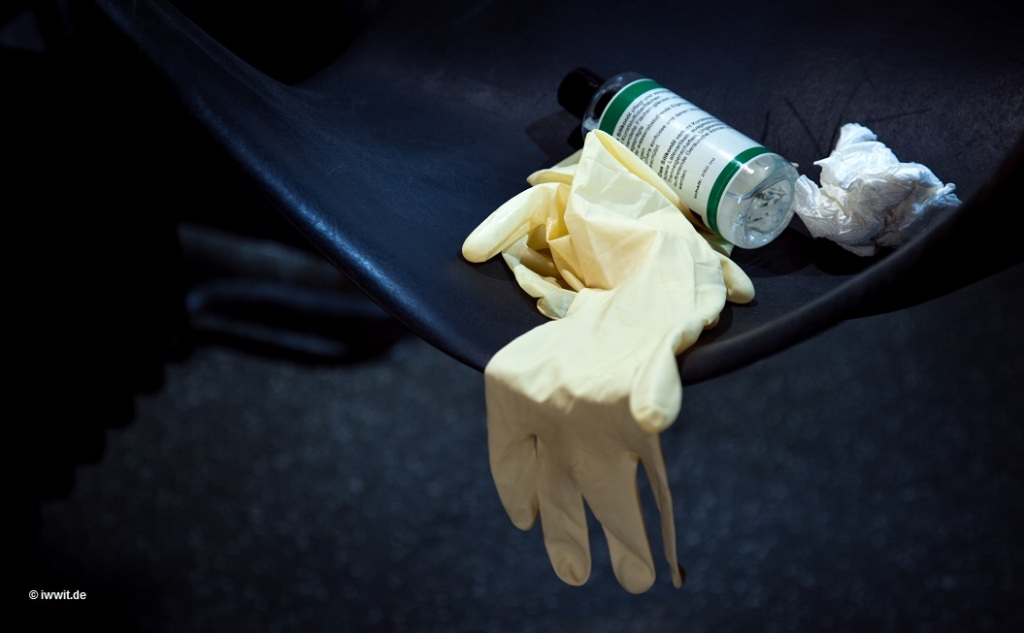
    Franz doesn't like it when it's completely dark during sex. "I want to have enough light to see if there's a noticeable trace of blood on my glove." Franz is 56 years old, HIV-positive, a leather fan and Franz likes to fist. "I've become a few per cent more careful recently," says the man from Augsburg. Within three months, he learnt from four good friends that they had contracted hepatitis C. "After that, I also went for a check-up as a precaution - out of turn." Franz has himself tested for sexually transmitted diseases twice a year anyway, including a hepatitis C test. "But it was nothing," says Franz with relief.

    Gay men with HIV are infected with hepatitis C more frequently than HIV-negative men. One possible transmission route: sex parties where the partners change frequently. Franz's impression: "It's a mixture of fist and fuck scene. If it goes on all night, it often doesn't stop at a fist. And minor injuries always happen during fisting."

    Safety belt during the fist session

    Manuel (30) from Berlin also likes to fist. He usually meets up with three fuckbuddies for a "session". He caught it in 2011: hepatitis C - a typical co-infection, as Manuel is also HIV-positive. The treatment lasted a year. It had severe side effects, but was effective: the viruses are gone, Manuel's doctor has just confirmed that he has "liver values to show off" again. But the intense experience remains in his mind. "Sex after hep is different to before," says the journalist. "When I start playing with new people now, I first see how they act," he reports.

    "Fisting is a sexual game where relaxation in the mind is important," says Manuel. "Fisting is about the deep penetration of your partner and being filled up inside," explains Manuel. "Whether the hand inside me is wearing a glove or not is not so important." The glove even creates a little extra moment of security - and helps you to relax.

    "Hardly anyone feels affected by hepatitis C"

    Manuel made no secret of his hepatitis C infection. The information was even written in his Gayromeo-profile. "The reactions were neutral," he recalls. "In the worst cases, my enquiries were kindly moderated." Only once was there a user who bombarded him with messages: "You are irresponsible! You're damaging the solidarity system! "But I wasn't the only victim," says Manuel. "There are always a few crazy people online."

    Overall, the gay fetish community reacts rather indifferently to the increased risk of hepatitis C, as Franz has also observed. "Hardly anyone feels affected by hepatitis C. People say to themselves: I've got nothing to do with fisting anyway," says Franz. And unlike HIV, hepatitis C can be cured. "You have to deal with HIV for the rest of your life," says Franz, who has been living with HIV for over 20 years. "As an HIV carrier, you're still more discriminated against in the scene."

    No open discrimination, but polite distancing - this is how most men react when they find out about hepatitis C. However, Manuel believes that retreating is a crucial mistake. "You never find out how the infection happened and how you can protect yourself." And the other person misses out on the chance to tell you what they are going through. "Hepatitis C treatment is no walk in the park," emphasises Manuel. "Everyone has moments when they're struggling and need a hug or a listener." That's why Manuel urges: "Relax! Talk to each other. Educate yourselves." The exchange can enrich both sides. "Knowing what's going on gives you a sense of security. And this good feeling also helps you to have better sex."

    If you want to know what else to look out for when fisting so that it stays "safer", you can find out more on the I KNOW WHAT I DO campaign website. Here you will also find information on BDSM, group sex and pissing: www.iwwit.de/fetisch

    Hep C Sexparty: Sling-Blog
    Gay men with HIV are infected with hepatitis C more frequently than HIV-negative men. One possible transmission route: sex parties where partners change frequently.

    More about Hepatitis C on ICH WEISS WAS ICH TU.

  • HIV test: know earlier

    HIV test: know earlier

    Have I been infected with HIV? In the past, you had to wait three months after a risk situation to have an HIV test to rule it out. Martin Obermeier explains in an interview why modern laboratory tests now only take six weeks.

    Mr Obermeier, you work in a Berlin laboratory where blood samples are also tested for HIV. To give you an idea: How many tests do you do per month? And how many infections are detected?
    We carry out around 6,600 tests a year, that's around 550 tests a month. And of these 550, perhaps 15 or 16 are reactive on average, i.e. around three per cent. Most of the blood samples that we analyse come from HIV specialist practices, which explains the high rate of reactive tests, because a certain pre-selection has already taken place when people get tested there.

    If you look at all HIV addiction tests carried out in Germany, the majority of tests are carried out as part of blood donations and before operations.

    We have learnt the following: if you want to be sure that you are not infected after an HIV risk situation, you have to wait three months before taking an HIV test. Why three months?
    These three months are based on recommendations that were adopted in the early 1990s: During the development of HIV antibody tests at the time, it had been seen that it took up to eight weeks for individual patients' immune systems to produce enough antibodies for the test to detect them. And in order to maximise safety, especially for blood donations, it was agreed that the test should be carried out at the earliest three months after the last risk situation.

    The so-called diagnostic gap - i.e. the time in which an antibody test would not produce a result even though an infection is actually present - in the laboratory tests used today has halved to six weeks. Why is that?
    The fourth-generation laboratory tests have been available since 2002 and 2003, and have been used almost universally since 2006 and 2007. These combination tests not only search for antibodies, but also for the p24 antigen. This virus component can be detected in the blood at an earlier stage, as the p24 level usually rises to a measurable level from the 14th day after infection.

    An infection can then be ruled out after six weeks - if the antigen-antibody test does not "hit the mark", there is neither p24 antigen nor antibodies in the blood and you are almost certainly not infected.

    What does "with a high degree of certainty" mean?
    A high degree of certainty means that there are rare exceptions that have no real relevance due to their low incidence, or that certain constellations must be specially assessed.

    At least for post-exposure prophylaxis after HIV contact, the time window until HIV infection can be safely ruled out only begins after the end of prophylaxis. However, no data is available for pre-exposure prophylaxis (PrEP). In this case, if an infection should actually occur despite the prophylaxis, an extension of the diagnostic window is also conceivable.

    If you want to be on the safe side, wait another twelve weeks after an HIV risk until you are tested.

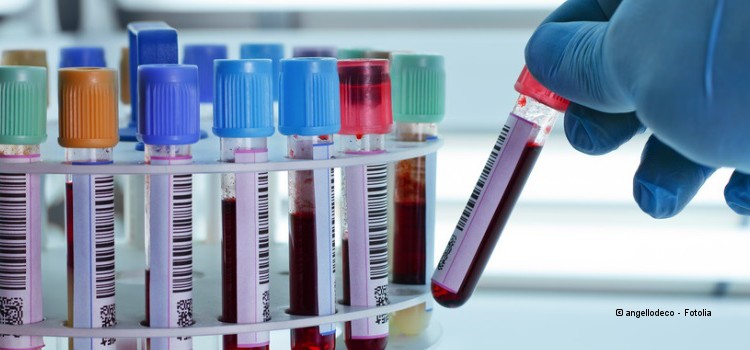
    Fotolia_angellodeco_bloodserum-750x350

    For most people, this information on the shortened diagnostic gap is new. Can you read about it somewhere?
    Yes, the current European guidelines on HIV testing were published in 2014 and this information can be found on page 5. The German recommendations are currently being revised. I am also involved in this as a member of the Writing Committee, and I am optimistic that we will be able to publish the recommendations in the first quarter of 2015.

    Okay, three months after the last HIV risk situation at the earliest, that was easy to remember. So now it's six weeks - but only for laboratory tests. The three-month rule still applies to rapid HIV tests, where you get the result after 30 minutes at the latest. Why is that?
    The rapid tests used in some health authorities and testing projects are purely antibody tests, i.e. they do not react to p24. Rapid tests that can detect both antibodies and p24 would simply be too expensive at present.

    One final question: Does this shortening of the diagnostic gap have any advantage at all?
    Well, from conversations with test candidates, I know that for many it is a major concern to shorten the period of uncertainty. It does make a difference whether I have to wait three months or just six weeks before I can rule out an infection with a test, for example after a needlestick injury. Or after a high-risk HIV contact outside of my partnership - if I usually don't use condoms with my partner, it's easier to go back to using a condom or abstaining from sex for six weeks than for three months ...

    Thank you very much for the interview.

  • "There's still a lot of shame" - Ben on his sex education lessons in schools

    "There's still a lot of shame" - Ben on his sex education lessons in schools

    Ben Scholz visits school classes to talk about sex on a voluntary basis. When the Cologne native realised at some point during his sex education lessons that he was being asked the same questions over and over again by the pupils, he launched his portal in 2014. jungsfragen.de. In specially produced videos there and on his own YouTube channel, Ben answers everything that might interest his core target group, boys aged between 12 and 16.

    Ben, do you notice a sense of shame among boys in schools when it comes to talking about HIV, other STIs and relevant tests at the doctor?
    I can't really confirm that. When I talk about these topics in class, I tend to notice that the pupils are more alert and want to know everything in detail. My impression is that the awareness of the health risks of sex is definitely there or comes to light once you have shaken them up and told them: unfortunately, HIV and AIDS still exist. People often ask me where they can still get a rapid HIV test in the city as soon as I tell them about it.

    Are there also gay boys in the classes who are quite normal about it or do pupils still find it difficult to say to their mates in class: "I'm different from you, I'm gay"?
    It's a shame, but even in 2016 we are still far from being in a situation where you can just come out at school. That's why gay boys are usually less concerned with classic sex topics and more with themselves and their identity, which many are sceptical about. The shame is still pretty great.

    Do you realise this directly in your sex education lessons?
    Yes, over time I've noticed that some boys are really introverted when it comes to homosexuality and do everything they can to avoid making eye contact with me. All this happens out of fear that someone might "find out" after all. Incidentally, the same thing also happens when I talk about foreskin constriction. When one of the boys realises "Oh dear, that's exactly how it is with me", you quickly notice how they mentally leave the lesson. So there are a few topics where the shame is really big. Although, of course, this always has something to do with the class community.

    You're not just in classes, you also run the portal jungsfragen.de. Do many gay boys also seek advice there?
    Yes, a lot of them actually. Gay kids in particular often have one big question: "How can I come out?". It's often a long way before they have sex for the first time. Nevertheless, it is of course important to talk about safer sex and specific sexual practices beforehand. Just as it often happens much more naturally with heterosexuals - even in the school playground.

    Is there also a risk that gay boys will have their first sexual experiences much more "secretly", precisely because they don't dare to talk about it with friends?
    In any case. Unfortunately, unlike their straight mates, they can't usually boast that they were deflowered the night before. Everything happens very differently. This also plays a major role when it comes to the question of a visit to the doctor, for example after a high-risk contact. How do I tell the doctor? How will he react to the gay contact? It often takes more time than with straight people to realise that they are doing the most normal thing in the world.

    Do you have any general tips and tricks for guys who are still at the beginning of their sex life?
    Firstly, I'd like to make it crystal clear: sex is great, sex is fun and it's the best thing in the world. But it's also true that you can catch something during sex. But of course I also reassure people. Fortunately, most things are easily treatable. Even HIV is known to have very good treatment options. My rough rule of thumb is: "If you have a pleasurable sex life with different people, you should have all the usual tests and examinations regularly, about once a year."

    Another tip is to consult a doctor as soon as you have had any risk contact or notice any changes in your own body. Because the quicker the diagnosis, the better and easier the treatment. For example, if a boy writes to me that he has a pimple on his penis but doesn't want to go to the doctor, I sometimes get quite direct and say: 'Yes, well, you'll just have to live with the fact that your willy will fall off. That way they understand directly, because wrapping them in cotton wool doesn't help.

    Last question: How did it come about that you are so relaxed about all these sex topics today and don't feel any shame?
    I just realised at some point that sex is the most normal thing in the world. Everyone does it, everyone masturbates and why shouldn't we talk about something that unites us all so much?

    How the test heroes feel about "shame", you can find out in the test hero clip.

    You can find all the young questions here: www.jungsfragen.de

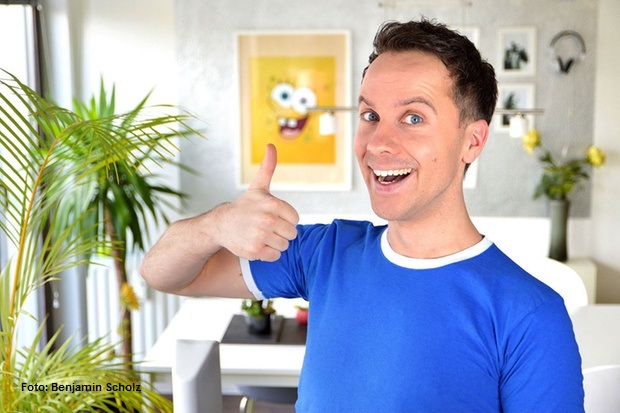
    Benjamin Scholz blog
    "Sex is great, sex is fun and it's the best thing in the world," says Ben. But he also knows how important protection is. This is one of the reasons why he goes into school classes and gives sex education lessons.
  • "The change has taken place in the head and not between the legs." - Conversation with a PrEP activist

    "The change has taken place in the head and not between the legs." - Conversation with a PrEP activist

    "Only fuck with rubber!". This rule was enforced for many years. For some time now, however, science has shown that safer sex is also possible without a condom - as demonstrated by protection through therapy or PrEP (pre-exposure prophylaxis). The latter prevention option in particular is currently causing a furore. The principle: HIV-negative people take a tablet every day to protect themselves against HIV. What has been officially recommended in the USA since 2012 is currently only possible in the EU via detours. A scandal, says Emmanuel, among others. The 30-year-old Berlin-based PrEP activist with French-Israeli roots can hardly imagine life without the protection provided by the tablet.

    Emmanuel, you moved to Berlin five years ago. What did you think about safer sex in the past?
    Until then, my view of the world was quite simple: we almost all use rubbers. Sometimes an accident happens and an infection can occur, but ultimately everyone knows the risks and gets tested regularly. The only way to be able to fuck without a rubber is in a monogamous partnership, after you have been tested together. Only then can you get the official "stamp" authorising you to fuck without a condom.

    But the world wasn't that simple after all.
    Yes, because it became increasingly clear that the traditional black and white thinking no longer works: "positive" and "negative" or "safe" and "unsafe" - what does that mean today? We now know that an HIV-positive person on successful HIV treatment cannot become infected. On the other hand, there are many supposedly HIV-negative people who are unaware of their infection and are travelling without a condom...

    Emmanuel_3
    Because he finds it unacceptable that access to PrEP is almost impossible in Germany, Emmanuel has become a PrEP activist. (Photo: iwwit.de)

    Time and experience have shown me that a lot of guys don't use rubbers after all, or only under pressure. I was often rejected because I didn't want to fuck bareback. Then there were also two cases where the rubber "disappeared" or "slipped away". - That broke my sense of security and control.

    And what led you to PrEP?
    I came to a point where I had to decide: either I live in constant fear of HIV, which is why I can't enjoy sex without restrictions. Or I give up and accept that HIV is not an "if" but a "when". I've always met young men with this attitude: "I'm going to get HIV at some point anyway. When it happens, I'll just get treatment." But this attitude was out of the question for me.

    Fortunately, I found out about PrEP at this point and knew immediately that this was exactly the third option I needed.

    What did those around you say when you started PrEP? What were their reactions?
    That was very different. Straight people actually liked it very much. Gays, on the other hand, had problems with it and were sometimes quite moralistic. I think this has to do with the fact that after 30 years of the "condom only" message, some gays find it difficult to give up this almost sacred message. After all, we have all learnt that anal intercourse without a condom is a "sin". And now comes someone who thinks that sex without a condom is no longer unsafe?

    Has your sex life changed with PrEP?
    I had a pretty wild time with PrEP at the beginning and tried a lot of things (laughs)... And now I know better where my limits are. The much bigger change ultimately took place in my head and not between my legs. Suddenly I was able to allow and feel a closeness and intimacy that I hadn't known before. My everyday life has also been different since then. The fear of HIV was often at the back of my mind - these constant calculations about who I did what with and where there could be a risk have stopped with PrEP. Before PrEP, I had no idea how much influence fear had on my whole life - and not just my sex life.

    What do you say to opponents who claim that PrEP opens the door to other sexually transmitted infections?
    Everyone who takes PrEP under medical supervision is tested for STIs every 3 months and treated if necessary. Yes, there's plenty of other rubbish. These are mostly smear infections against which condoms only provide partial protection, and half of the cases are often asymptomatic. Anyone who claims that they don't need to go to the doctor for regular smear tests because they always fuck with a condom and have no symptoms is lulling themselves and their partners into a false sense of security.

    PrEP could change the situation - finally, the very men who could benefit most from it would seek frequent medical advice and get tested for STIs! Couldn't this even lead to a reversal of the gonorrhoea epidemic?

    You started campaigning for PrEP as an activist. Why did you do this?
    Because I find it sad that young gay men consciously take the risk of infection when a new, additional protection option has been available for 4 years! And also because I find it unacceptable that access to PrEP is almost impossible in Germany. If the issue wasn't so morally charged, or if HIV was a problem for the hetero community, PrEP would have been available long ago. I want to make access to PrEP easier for others in the community.

    How are you specifically campaigning for PrEP?
    I started a Planetromeo club to spread information about how to get PrEP in Germany ("PrEP-info-DE"). But of course that's not enough. As a next step, we hope to have our own website and a Facebook group soon. There are other activists who are doing a lot - for example the LoveLazers, or PANSY, which is organising a monthly evening about sex and drugs from 28.04.2016: https://www.facebook.com/LetsTalkAboutSexAndDrugs 

    PrEP is already a reality. Let's not miss the chance to use it properly. This is the only way we have a chance of reducing the rate of new HIV infections!

    Emmanuel_2
    Emmanuel has been a "PrEPster" since summer 2015. (Photo: iwwit.de)