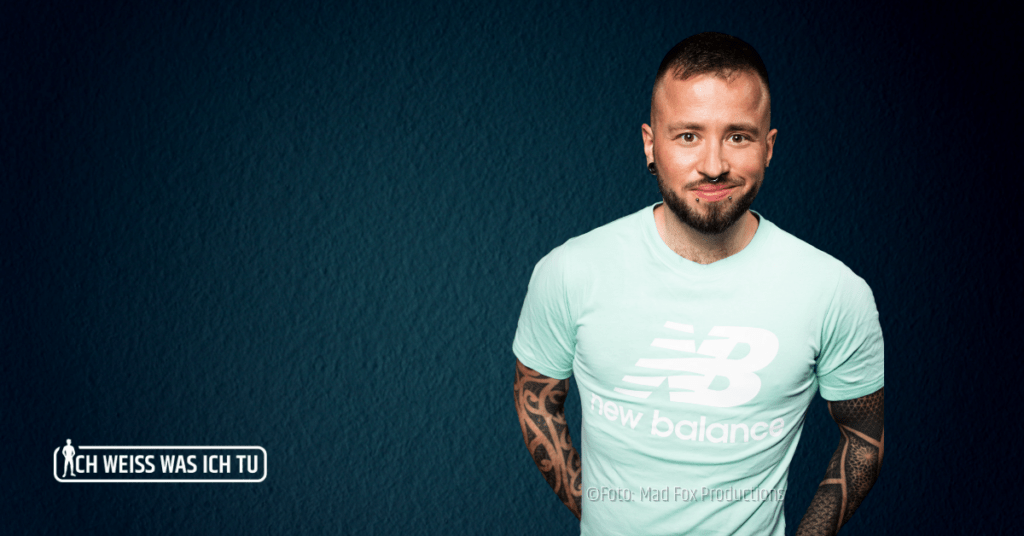
Hello Klaus! Congratulations on five years Gay Health Chat! What exactly is the Gay Health Chat and who is it aimed at?
Thank you very much!
The Gay Health Chat is an internet counselling service. It works without registration and is free of charge. It is aimed at gay men and all men who have sex with men. This also includes trans* men, as well as non-binary and gender non-conforming people who feel they belong to the gay community.
Why was the Gay Health Chat created?
Small counselling centres and AIDS service organisations simply don't always have the money or resources to set up an online chat. With Gay Health Chat, Deutsche Aidshilfe provides the technology and ensures good quality. The counsellors then join in from 46 counselling centres: from Austria, Germany and Switzerland.
Who advises at the Gay Health Chat and how are the counsellors trained?
Everyone who works for us has been trained as an HIV/STI counsellor by Deutsche Aidshilfe. And we regularly train everyone in online communication, because it is much more difficult to assess how the other person is doing when typing and without visual contact. This year, we are also adding additional training to become first aiders for mental health problems. Our counsellors are all gay or queer themselves and work, for example, at gay checkpoints, in the IWWIT team or at AIDS service organisations - a very colourful mix.
What kind of questions do people come to the Gay Health Chat with?
Most of the questions have to do with sex. We're the AIDS service organisation and we know our way around that particularly well. But since corona, more and more people have been chatting to us because they feel like shit, are lonely and can't cope. We can help them too.
Which topics are people perhaps not yet so aware of, but which you can still advise on?
We talk a lot and have learnt a lot about drugs during sex in recent years: why is it particularly hot and what steps are necessary when it's no longer fun - we can now offer good help. In addition, every counsellor has experienced coming out as a gay man and can therefore understand everyone else who is currently dealing with this issue. How can I become a self-confident, courageous person in this world? That is our goal.
Mr Lehmann, in 2021 you were directly elected to the Bundestag by more than 70,000 Cologne residents. Since November, you have been Parliamentary State Secretary in the Ministry of Family Affairs and since January, you have also been the Federal Government's Queer Commissioner. With all these successes: Do you personally still experience disadvantages or discrimination because you are gay?
In the 20 years that I have been gay, I have of course also been discriminated against from time to time. For example, my husband and I have been verbally abused on the street because we were walking hand in hand or attacked on the internet. Nevertheless, I have certainly experienced less everyday discrimination than other people because I am in a privileged role as a politician. My party has always fought for the rights of LGBTIQ* and other minorities. I am naturally surrounded by a very safe and open environment.
You recently reported a hate preacher from Görlitz who agitated against queer people in a video and wished them dead. How do you generally deal with homophobic attacks? When do you defend yourself - and when do you ignore them so as not to attract additional attention to extremists?
When it comes to calls for violence or a call for murder, as in the case of this hate preacher, I take a clear stance. I call in the state security services and press charges. In my political work, I unfortunately have to live with hate comments online, which have increased massively now that I am even more in the public eye due to my new position as Queer Representative. I ignore a lot of it, but here too I report comments and block the authors when boundaries are crossed.
Discrimination within the LGBTIQ* community: Even within the queer community, trans* people and non-binary people often encounter reservations. How inclusive do you find the queer scene?
The LGBTIQ* community is very diverse - and just as diverse are the demands that the different groups place on politics. As queer commissioner, I am the point of contact for everyone. I try to listen and incorporate the needs of the community into government work. Despite all the differences within the community, I also see a lot of potential for alliances. And I am convinced that if we want to achieve something in terms of queer politics in this legislature, we need mutual solidarity. We need to stand up together for the rights of the LGBTIQ* community - for example, currently with the planned self-determination law, which is intended to replace the so-called "Transsexuals Act". There is a lot of headwind at the moment and we will still have to have many a discussion and do a lot of persuasive work until the law is finalised. Support from within the community is therefore important.
As a queer representative, do you also feel responsible for more tolerance within the community - and how could we promote it?
In any case, I see this as one of my tasks. I think the most important thing is to stay in dialogue with each other and to realise that we can only achieve the ambitious goals that we have set out in the coalition agreement if the community gets involved and acts in solidarity. Then we can make a real start for diversity, self-determination and equal rights for LGBTIQ* people in this legislative period. This summer, for example, I want to give the go-ahead for the first nationwide action plan for diversity and against queer hostility.
The associations and initiatives of the queer community are making a very important contribution to this action plan - we are starting a dialogue process about what is important to them and where further support is needed. Family law should also finally be updated and adapted to social realities. After all, families are diverse and do not always consist of just a mother, father and child. We therefore want to reform parentage law and provide legal protection for multiple parenthoods. There are various interests within the community on all of these topics, which are expressed and also heard.
"Medically, HIV is now well manageable. Discrimination, on the other hand, makes people ill."
Today, people with HIV can live with the virus almost without any problems - and HIV is not transmissible under therapy. A major problem for them, however, is the Stigmatisation of HIV. Almost 80 per cent find it risky to talk about their infection because they are often confronted with prejudices - on a date, for example. In your role, how do you want to contribute to further reducing the stigmatisation of people with HIV?
HIV is now well manageable medically. Discrimination, on the other hand, makes people ill. For many people with HIV, the fear of rejection and marginalisation outweighs the health consequences. I am therefore in favour of ensuring that the action plan for diversity and against queer hostility also includes measures such as strengthening educational work on HIV. I will ask the Federal Ministry of Health and the Federal Centre for Health Education to play an active role here in order to make doctors more aware of current treatment and prevention options and to prevent stigmatisation. Because nobody with HIV should have to hide.
In my queer circle of acquaintances, largely yes. But I recently explained at length to a heterosexual friend who has a lot of fears about HIV and Aids what PrEP is and that HIV treatment can prevent the transmission of the virus. She didn't know any of this and was relieved and grateful for the information afterwards.
"PrEP has proven to be highly effective protection in recent years (...). Now it's a matter of ensuring supply in rural areas too."
For more than two years, the PrEP as a health insurance benefit, including for gay men. What is your assessment after two years of PrEP on prescription?
Nowadays there are three good and effective methods of prevention: condoms, PrEP and therapy. PrEP has proven to be highly effective protection in recent years - as shown by research conducted by the RKI to accompany and evaluate the introduction of PrEP. According to this, it is estimated that up to 21,600 people in Germany were already using PrEP in 2020, almost predominantly men. We also know that there are very large regional differences in PrEP use - use is particularly widespread in large cities such as Berlin. Now it's all about that, to ensure supply in rural areas as well and in regions where there are fewer doctors who prescribe PrEP - and at the same time to disseminate information about PrEP even further into the community.
How much has PrEP changed gay (sex) life?
I think almost every gay man knows the feeling of waiting for the results of an HIV test at regular intervals and hoping that the test is negative. This constant fear of infection can be demoralising and has often been a burden at the back of your mind - even though sexuality should actually be liberating and free of fear. PrEP has given gay men additional security - for many, PrEP is a liberation, even if it does not protect against other STIs.
"This constant fear of infection can be demoralising and was often a burden in the back of our minds - even though sexuality should actually be liberating and free of fear."
I've stuck with the good old condom so far. (laughs)
Arndt Klocke and you have been a couple for 20 years. So to finish, please give us a relationship tip: how do you manage to have a happy relationship - despite a career and a lot of commuting between NRW and Berlin?
My husband and I make sure that we have time together - our private lives are sacred to both of us. We spend the weekends together as often as possible, either in Cologne or Berlin. We go to the cinema a lot, we're interested in culture, sport and travelling. And somehow the commute is exhausting, but it's also good for the relationship because we always look forward to seeing each other again.
You and Mr Klocke were recently on the podcast Queer stuff as a guest. There you also talked about sex outside of a relationship. You said that you would "grant and wish for open relationships for straight people too." Why would you recommend an open relationship?
I would not like to recommend any particular Relationship model. Because how relationships are lived, what makes you happy and what fulfilling sexuality means is something that everyone has to decide for themselves and negotiate with other people. What I would definitely recommend, however, is openness - both within partnerships and externally. Because that frees you up and also creates new spaces for other people to dare to do the same. Self-determined sexuality with changing partners, committed monogamous partnerships and all variations in between: Being able to decide for yourself without stigma is at the heart of a liberal society. And this also includes a sex-positive policy.
The "positive voices 2.0" study was published in September 2021. It shows: As a rule, people with HIV can live very well with their infection. This was confirmed by almost 90% of respondents. However, the problem with living with HIV is discrimination and stigmatisation - even in the gay community.
This was reason enough for us to make the results of the study one of our main topics this year! People living with HIV were involved in this survey from the very beginning. People with HIV interviewed other people with HIV. This created an important situation of trust so that the interviewees could share their authentic experiences.
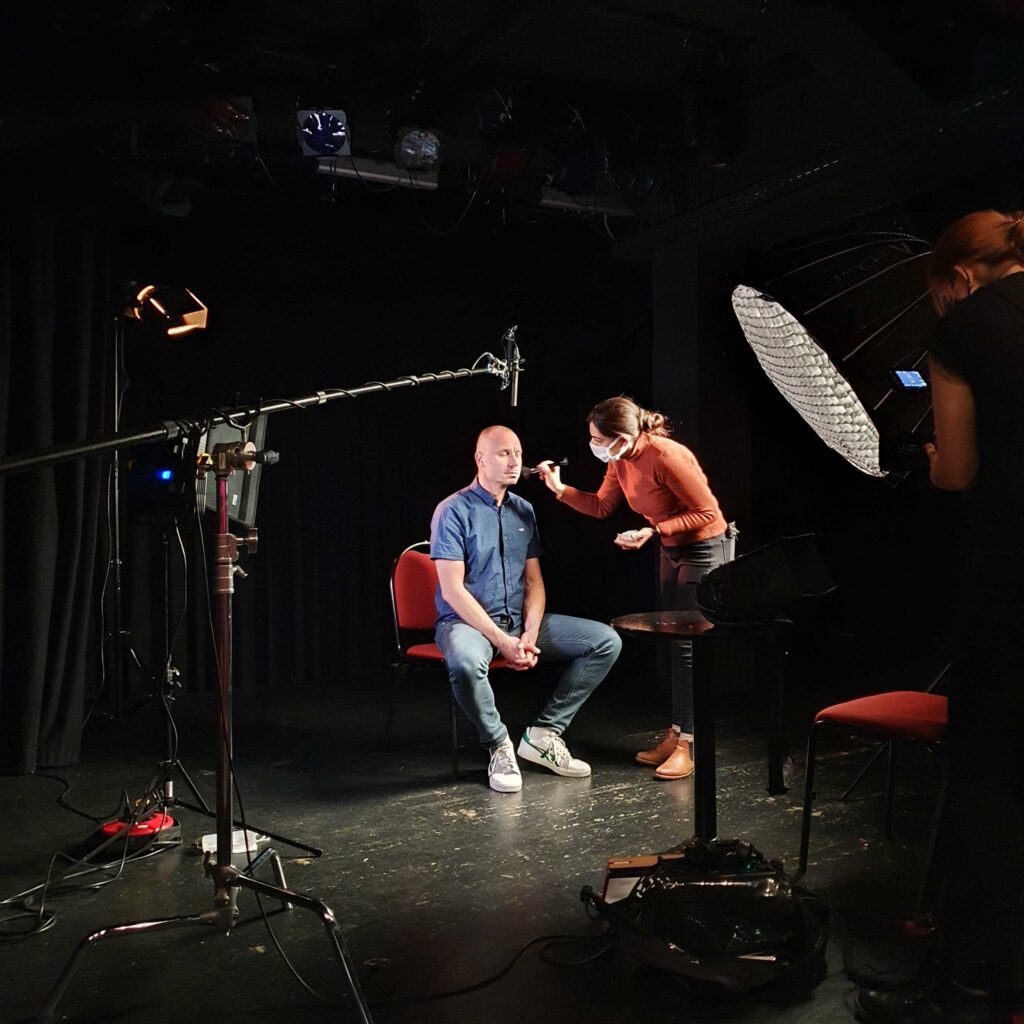
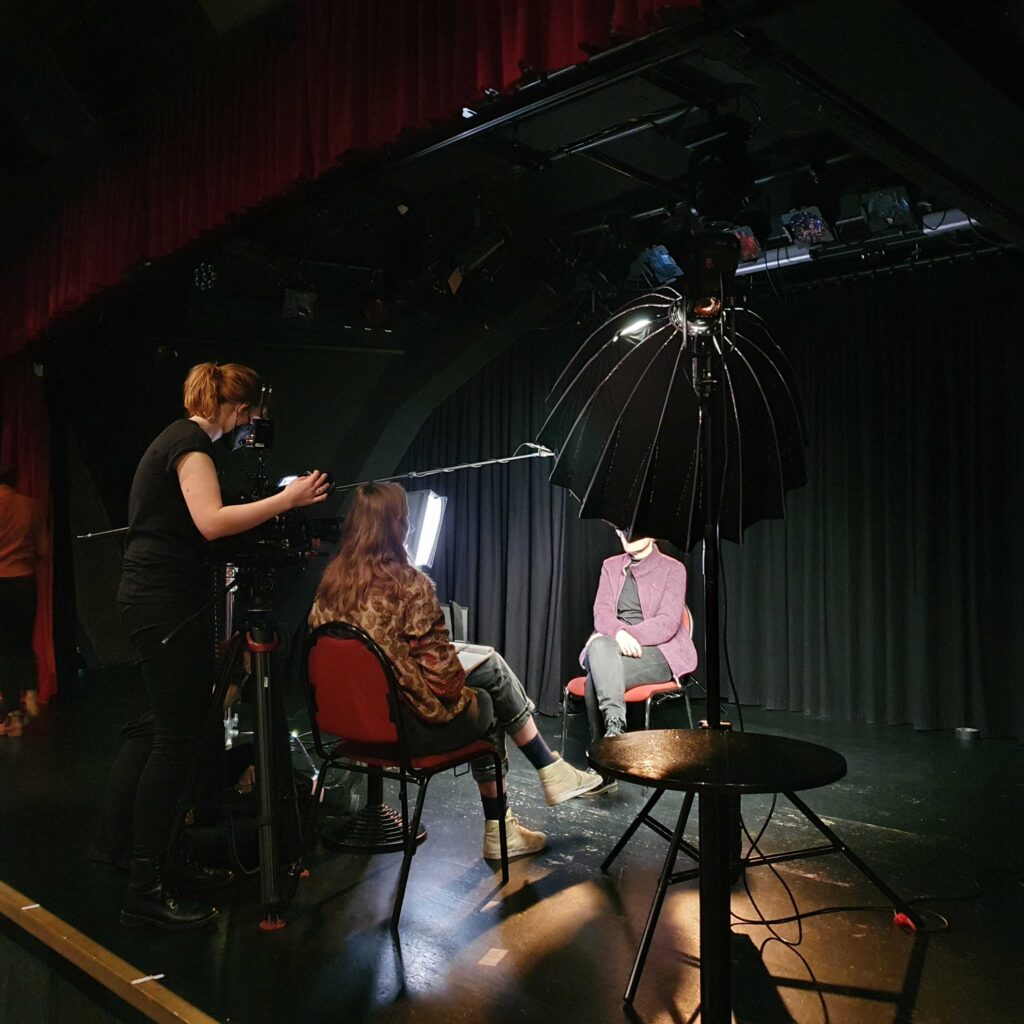
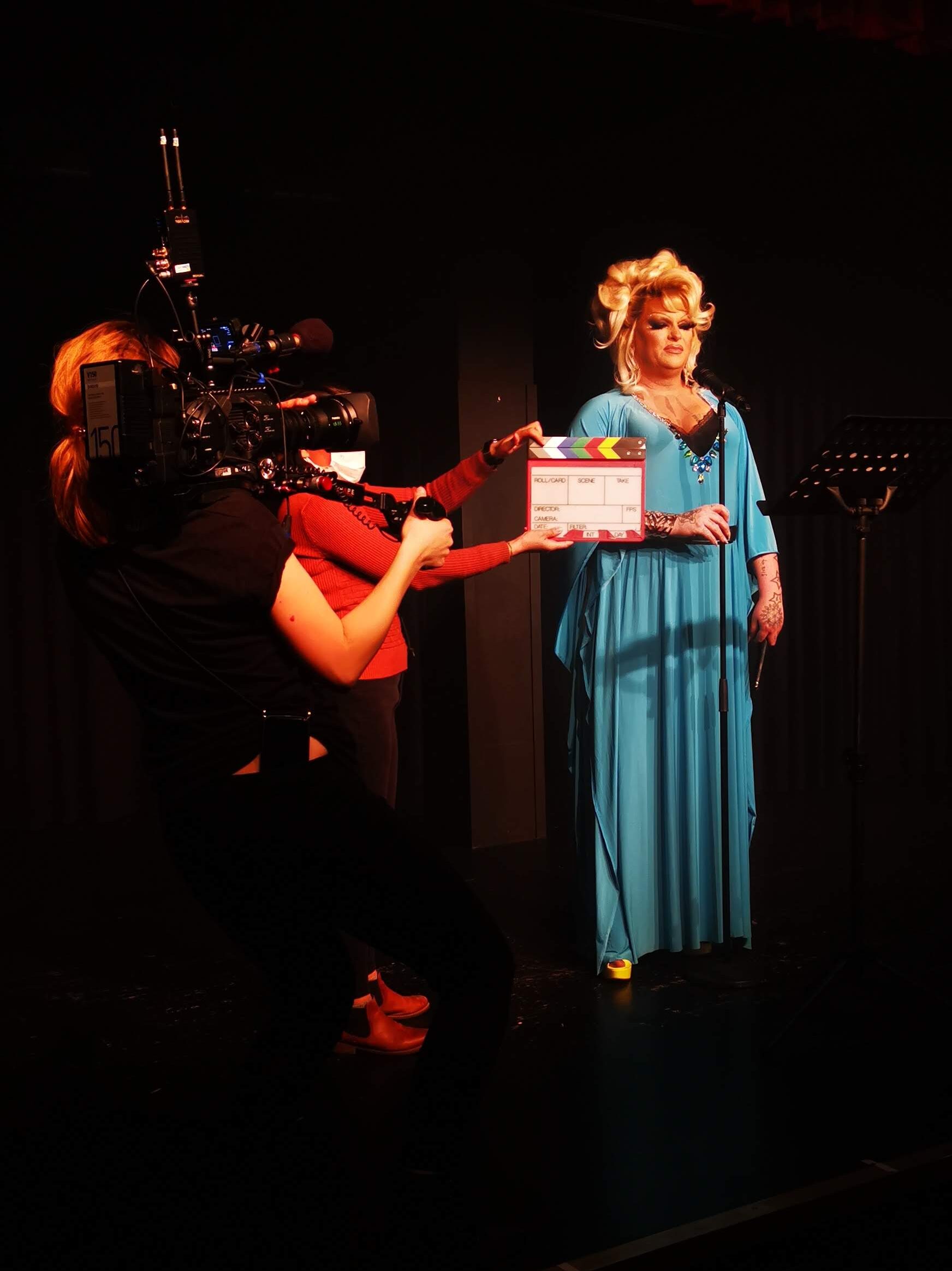
Some people with HIV also have their say in our new video! Watch it here:
At ICH WEISS WAS ICH TU (IWWIT), people with HIV have been an important part of our campaign from the very beginning. Just like authentic images of life with HIV. They prevent stigmatisation and discrimination.
If you would like to support us in our work, then share this video! And tell people about a very special piece of good news: HIV is not transmissible under therapy. Because that's what the study also showed: This news has greatly relieved those affected.
Show solidarity wherever people with HIV are marginalised or discriminated against! And find out more at iwwit.de! Here you will find lots more information about living with HIV. And you will find information on how you or others can defend yourself against discrimination and marginalisation.
The "positive voices 2.0" study has shown: The majority of people with HIV surveyed can now live well with the infection. But at the same time, many experience discrimination and marginalisation on a daily basis!
All of this has a significant negative impact on health, well-being and sexual satisfaction. Added to this are feelings of shame and guilt.
The study also shows that more than 50% of respondents have been rejected at least once during sex in the past 12 months. And this despite the fact that there is protection through therapy.
Watch our video now:
The good news is that since Protection through therapy 40 per cent of those surveyed experience less discrimination. The HIV medication suppresses the multiplication of HIV in the body. HIV can then no longer be transmitted during sex.
So if you have already asked yourself what you can do to combat discrimination against people with HIV, then this would be the first step. Pass it on: HIV is not transmissible under therapy. Tell your friends, family or work colleagues.
And there's more you can do.Show solidarity wherever people with HIV are marginalised or discriminated against! And find out more at iwwit.de! Here you will find lots more information about living with HIV. And you will find information on how you or others can defend yourself against discrimination and marginalisation.
We also show in our Campaign authentic images of people with HIV, because they are an indispensable part of our community.
You want more? Then get in touch with IWWIT - and tell us what you think! Or tell us about your ideas or wishes on the topic of living with HIV: On Facebook, Instagram or classically by e-mail. We look forward to seeing you!
For the first time, Max Appenroth, an openly trans* person, was elected Mr Gay Germany. We spoke to Max about the contest, trans* hostility in the gay community and Max's campaign #ProudToBeAlive.
Trigger warning: This interview is about trans* hostility, mental well-being and suicide, among other things.
Max, you've had several coming-outs, would you like to tell us about them?
When I was 13, I came out as a lesbian. It was my first coming out. At the time, it felt wrong for me as a "woman" with men. At some point I realised that I wasn't a woman and had another coming out as trans*. I also more or less came out as a gay person because my identity and my changed appearance gave me access to other spaces such as gay bars and saunas and allowed me to live my sexuality differently. Then two years ago I had a different kind of coming out as a non-binary trans* person. So I feel comfortable in the male spectrum, but I am clearly more than "just" a man.
What does the term "non-binary people" mean?
Non-binary people can see themselves as "both male and female" or as "neither male nor female" or reject the dual-gender construct altogether.
When did you feel most comfortable in your body during this time?
Now I feel very comfortable in my body. I don't like the narrative that trans* people are born in the wrong body. I was born in the perfect body! There was only one time when I didn't feel comfortable with certain parts of my body and wanted to modify them to feel 100% comfortable in this body. That was ten years ago when I had an operation to have my breasts removed. Since then, my body is just perfect the way it is.
What does the term "transition" mean?
Transition describes the (medical, legal, social, physical) process of people who do not identify with the gender assigned to them at birth to express and approximate their gender identity and physical experience.
What was the route to the operation like?
Difficult! Finding expert information on the subject of transition is not easy. You have to find out everything for yourself: What do I want? What options do I have? In addition, in Germany it usually takes one to two years from the application to the health insurance company to the operation. And the applications are often rejected. Then you have to appeal and then wait again for processing until you finally get the OK. I wouldn't have been able to stand it any longer, both mentally and physically, because I had my breasts tied off and everything pressed flat. That means your chest is permanently compressed, you can't breathe, you can't really walk upright, you have back pain. So I had my breast operation in the USA. I had to pay a lot myself, but it meant I could avoid a really bad process with the health insurance company and get to my destination faster.
What does the term "cis men" mean?
Cis men were assigned the gender "male" at birth and they still identify with it today.
Does the infrastructure of Germany's queer scene lack prevention messages and organisations for trans* people?
Absolutely! Even though Germany is generally a great country when it comes to healthcare, this doesn't apply to trans* people because there is far too little knowledge about our bodies and needs. Even in queer initiatives that are committed to healthcare, much more simply needs to be done so that we are seen and can really participate. In other words, not that something is done for us by someone, but that we as a community are allowed to do it for ourselves.
For example, prevention campaigns: If no trans* people are involved, how do you know how best to address the community? If only gay cis men can be seen on all the posters, but no trans* people, I don't feel addressed. You simply have to look at how you represent the communities and how you work with them in order to really do the best possible work that also reflects the needs of the community. I work primarily in the field of HIV prevention, especially for trans* people, and I can see how much work still needs to be done.
Gay. Trans*. Part of the scene!
Our brochure "Gay. Trans*. Part of the scene!" offers gay trans* and cis men, gender-nonconforming and non-binary people who feel part of the gay community all the information they need on respectful behaviour within our diverse scene, gay sex and protection against HIV (safer sex). Brief information on trans* history and important activists as well as links to more information round off the brochure. You can find it at iwwit.de/trans!
Max wants to focus more on the high suicide rate among queer teenagers and young adults.
How can your work and the community benefit from your victory as Mr Gay Germany?
Thanks to the increased visibility I now have, more people follow me on social media or I am invited to various events. This gives me more reach and of course also has an impact on my work because more people are aware of the problems and the difficult situation and are listening.
What was your motivation to take part in the competition?
I stumbled across it by chance on social media and realised that it's not just a beauty contest, but that content takes centre stage. Each person has to stand up for a specific issue and launch a campaign for it. I thought that was pretty cool and got to grips with it. As a trans* person, I always get hostility from the gay community, so I also thought that I would like to show people in a contest like this that we trans* people are very much part of the community.
"Just because they can't imagine having sex with a trans* person doesn't mean that has to apply to everyone in the gay community."
So you experience discrimination from the gay community?
The gay community is one of my communities and I feel at home there. But sometimes I hear things like "You have no place here" or "That's not a "real" man, so you can't be in the gay community". Maybe there's a lack of education here: not everyone has to find me attractive or imagine going to bed with me. I don't want to go to bed with everyone either. But just because I personally can't imagine something, or don't like something, doesn't mean that others can't like it. Just because they can't imagine having sex with a trans* person doesn't mean that everyone in the gay community has to.
"You don't have to be able to understand my identity to accept me."
What would you say to these people?
As trans* people, we are not taking anything away from anyone. I don't want to abolish any gender. I just want to be able to live with respect and dignity, just like everyone else. People don't have to be able to understand my identity to accept me. I can't understand a lot of things either. But that doesn't mean it can't exist just because I don't understand it. Nevertheless, this is the best proof that my work for more trans* visibility is still needed, and in fact, comments like this act like petrol in my engine. That's exactly why I'm doing more.
"For me, comments like that are like petrol in my engine."
Back to the competition: how did it go?
Everything went relatively quickly. I applied online at the end of October and had my first telephone interview a week later. Then I had to develop a community campaign in the next three days. I thought about a campaign and presented it. Shortly afterwards, I found out that I was in the semi-finals. Between the semi-final and the final, you have to continue building the campaign to show the jury in the final how you are working on it. The final came exactly six weeks after the first phone call. The other competitors were of different ages and backgrounds. Not all of them were totally slim and muscular either, but simply had different body shapes. I thought it was nice to see that it wasn't just about muscle-bound cis men. It was a short, intense time, but when I heard my name in the final, it was an indescribable moment. It was a huge load off my mind.
What is your campaign about?
It is called #ProudToBeAlive (proud to be alive) and deals with the high suicide rate among queer teenagers and young adults. Unfortunately, this is a topic that we rarely talk about. I would like to improve this situation in two ways: Firstly, by creating a professional crisis support structure for young LGBTQIA+ in the form of online counselling parallel to telephone counselling, through which help is offered in acute situations.
And in the long term, I want to increase the visibility of queer people in children's and young adult literature. When queer children and young people see in children's books that there are other people who are just like them - in other words, when they always find themselves - they get the feeling that they are not alone. And that you are okay just the way you are. I believe that if they realise this from an early age, they could lead a completely different life than if they had to cope with it alone. My first trans*-empowering children's book will be published in German and English at the beginning of April, it's called "No matter what changes, the heart remains exactly the same".
Max, good luck with it and thank you very much for the interview!
Trans* men, non-binary and gender non-conforming people are part of the gay scene! Find out more about our campaign "Gay. Trans*. Part of the scene!" Click on www.iwwit.de/trans!
Gay Health Chat
Are you looking for someone to talk to? Someone who will listen to you and possibly give you advice? Then chat with counsellors from the community at www.gayhealthchat.de!
Hint
There are situations that are anything but easy. There is help here: - Telephone counselling: 0800-1110111 and 0800-1110222 - German Depression Relief Foundation
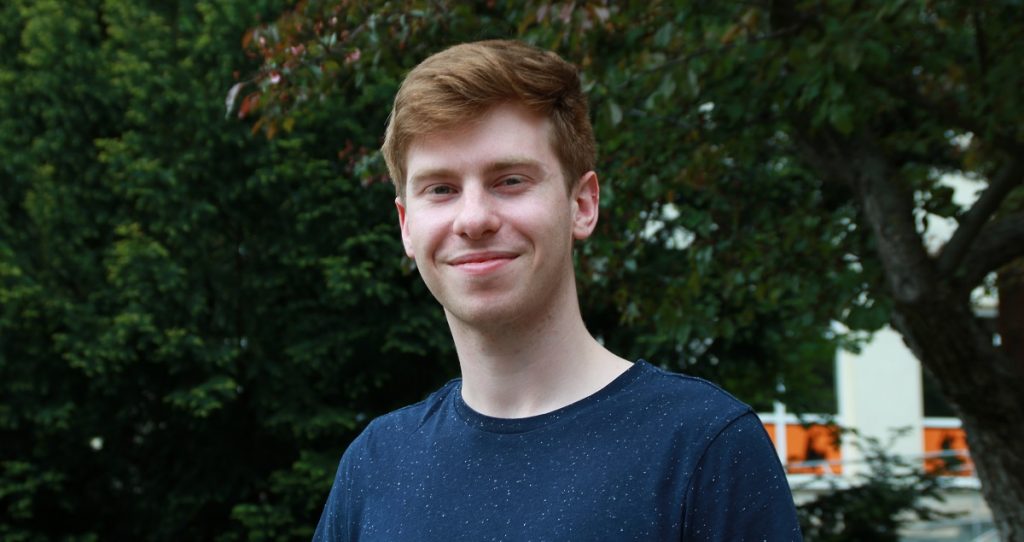
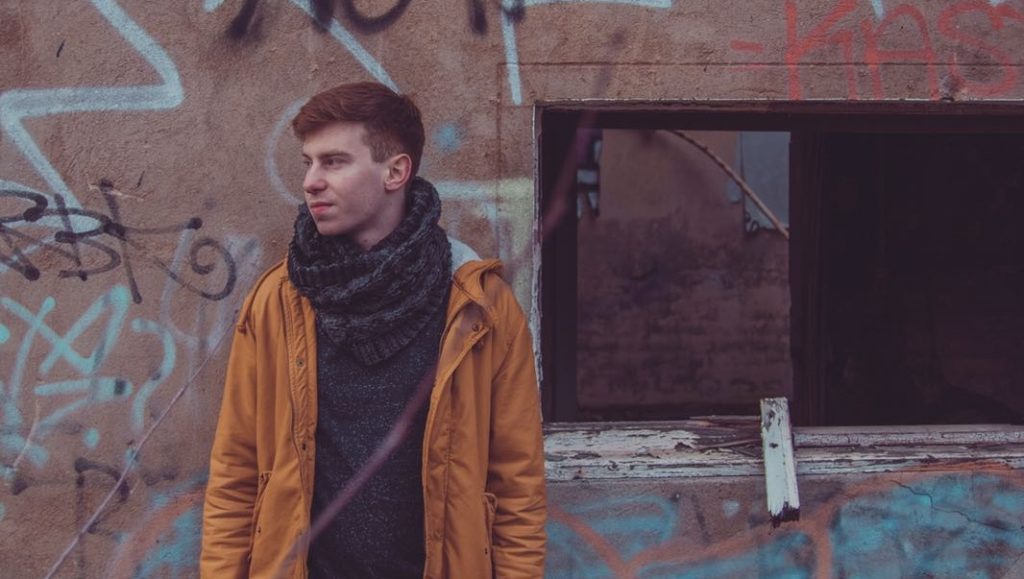
Max is 21 years old, studies in Jena and came out as HIV-positive more than a year ago. He is happy about this decision and would like more positive guys to say that they have HIV. A conversation about unfounded worries, the point at which internet dating becomes unsexy and what a report about the "Testhelden" campaign by ICH WEISS WAS ICH TU triggered in him
How openly do you live with HIV in the gay scene?
Quite openly. This isn't the first interview I've given about it and the vast majority of people in my immediate environment know about it. If dating portals offer the option of declaring your HIV status, then I do that too. Or I bring it up when it becomes necessary. But it's also not the first thing I tell people about myself. Although it's strange now when people don't know.
What do you mean by that?
Being open about the fact that I am positive simply makes things, conversations and general dealings with others less complicated. The hurdle is removed, everyone knows and that's good. If someone comes along who doesn't know, there is often a need for explanation. This complicates the situation again and the issue comes to the fore. And that triggers unease, which is not really necessary.
"If I can help others to protect themselves, that's great."
Was it easy for you to come out publicly?
My public outing came about like this: I read a report on a website about this "Testhelden" campaign that impressed me. I then contacted the author to tell him about it. He then said: "Could you imagine talking publicly about your infection yourself?" And I could. I wasn't that scared of it. There are far too few people who do that. And that's why many other people don't realise that the lives of most positive people are not much different from those of negative people. And I'm still glad I did it. If I can help others to protect themselves, that's great.
"I then have to explain that protection through therapy works and that I am not infectious."
How do other people react when you tell them that you are positive?
Especially today, when my HIV status has become quite normal for me, I am always surprised by how much some people worry. Not about being infected by me. Most people are well aware of that. But many people still think that I'll get ill at some point and then die far too early or something. And it's not always easy to make them realise that I'm doing really well and that I'm not actually affected by HIV at all. It's annoying from time to time. When dating on the Internet, the matter also comes up at some point and many people react with great naturalness. But some don't either. I then have to explain that protection through therapy works and that I'm not infectious. Unfortunately, that quickly makes things unsexy.
Fear of stigmatisation among young positives
Do you know other young positives? How do they deal with their infection?
I study in a smaller town, the scene here isn't huge. After I came out publicly, some of my friends came out to me. And what I generally notice is that there are now some young positives who are very open. But many others don't want it to be publicised and only talk about it with a few other people.
"After coming out, you definitely become a topic of conversation."
Why do you think that is?
Well, they're afraid of being stigmatised. And that's not entirely unjustified. After coming out, you definitely become a topic of conversation. The general level of information about the lives of HIV-positive people is not great and prejudices and rumours can easily arise that make life more difficult. Many people are also afraid of jeopardising their professional future if it becomes known that they are positive.
Photo: Private
"And some negative people could relax when dealing with positive people."
And what can we all do about it together?
Good question. If positives are open about their infection, negatives have a chance to learn first-hand that living with HIV in 2017 no longer means being ill. We live completely normal lives and there are no longer any visible differences between positives and negatives. And some negatives could relax when dealing with positives. (laughs) And inform themselves better so that stigma is prevented before it happens.
How does HIV affect your life today?
I take two tablets every day, that's it. But that's now also automated, like brushing my teeth, and nothing I think about anymore. Apart from that, I'm probably no different to many 21-year-old gay boys all over the world.
You can find out more about living with HIV at iwwit.de!
The TV series "It's a Sin"shows LOVE IN TIMES OF AIDS
The counterpart to "Queer as Folk": the TV series "It's a Sin" looks back to London in the 1980s, when the gay scene there was also overrun by AIDS. A masterpiece that not only tells of the past, but also of the here and now.
(Spoiler warning: This article contains spoilers for the series "It's a Sin")
You don't need prophetic abilities to predict the future of this series: it will soon be part of the gay community's cultural memory, just like "Pose" or "Queer as Folk". In other words, TV series that also tell queer stories and history in such a way that they themselves create lasting memories.
Because the characters in "It's a Sin" make you feel the excitement up close. With their departure into the adult world and the euphoria of sexual liberation and self-awareness. You get so close to them in the five episodes! We accompany them so intensively through the highs and lows that you almost inevitably feel part of this queer family of choice.
And above all, Russel T Davies, the creator of this TV mini-series, repeatedly manages to create scenes and images that literally burn themselves into the viewer's memory and will stay with them for a long time to come.
Enduring inner contradictions
Also because the overlapping feelings of rebellion, happiness, despair, incomprehension and hope are often captured in a single image. For example, when the parents of party-loving ticket inspector Gregory build a funeral pyre in the garden after his death. They burn his bed and all of their son's personal belongings there, including his childhood photos and snapshots with his friends in faraway London. As if they could erase his gayness and his AIDS.
Or Ritchie, who didn't dare to pick up his test result and ignored all the signs. Only now that the disease has broken out does he have the courage to reveal himself - in his very own way - to his closest friends: "I wanted you to be the first to know: I'm going to live!"
"I wanted you to be the first to know: I will live!"
Olly Alexander (who many will know as the frontman of the band Years & Years) puts everything his character has to endure in terms of inner contradictions into this short sentence. The relief of finally being able to confide in the most important people, the shame of having lied to them for so long and the fear that his future could be very short. And then there is also the defiance of not wanting to let them get him down and rob him of his zest for life.
Gay television history for a broad audience
And because this does not leave the audience untouched, this scene also becomes an unforgettable moment. Russel T Davies not only knows his craft, he also knows how to use it masterfully - and that means writing for a broad audience without compromising on content.
Consciously not reducing gay life and love to HIV and Aids
He had already achieved this with series such as "Cucumber", "A Very English Scandal" and "Years and Years" and above all, of course, with "Queer as Folk". With the latter series, the British director and screenwriter wrote gay television history over 20 years ago. It was so successful that an even more internationally successful US remake was made a few years later.
At the time, Davies had deliberately refrained from addressing HIV and Aids, but instead wanted to gay life and love without defining it by the illness.
A new world in London in the 80s
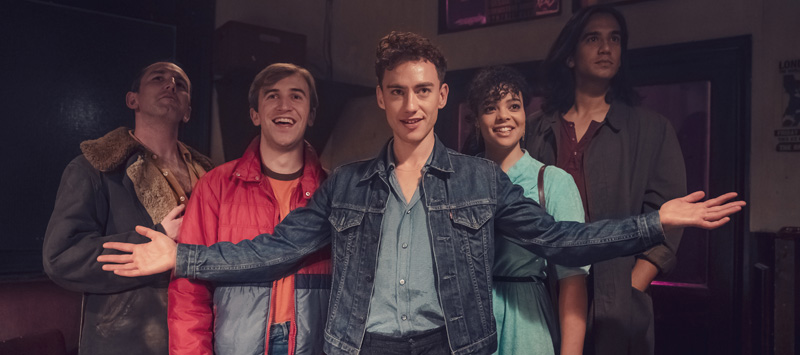
For him, however, it was now time to remember those years and at the same time come to terms with his own story. Davies has obviously packed a lot of his own story into Ritchtie, the smart, good-looking 18-year-old who opens up a new world in the gay scene of London in 1981 and enjoys the sexual opportunities that present themselves to him to the full. And Jill (Lydia West), Ritchie's best friend who, like him, is also studying acting, also has a real-life counterpart.
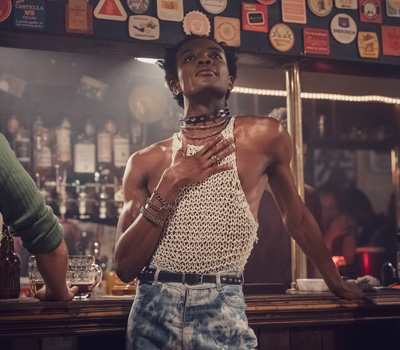
Jill becomes a flatmate in the otherwise completely gay shared flat, which everyone affectionately calls the "Pink Palace". It's a small, conspiratorial, colourful bunch. Besides Ritchie, Roscoe (Omar Douglas) is also part of it. He turned his back on his strict religious family from Nigeria when they made plans to "cure" him of his homosexuality.
Davies shows how to deal with the fear of AIDS, homosexuality and homophobia
The pale Welshman Collin (Callum Scott Howells) starts an apprenticeship as a men's tailor in London, is considered uptight and shy, but, as time goes on, has experienced more than his friends realise.
Russel T Davies also brings together a whole host of supporting characters around the clique. Among others, the prominent cast includes Stephen Fry and Neil Patrick Harris ("How I Met Your Mother"). This gives Davies plenty of opportunities to show how people deal with the fear of Aids, an infection, their own homosexuality and the homophobia of others - as well as their reactions to it.
More than just a historical panorama of the AIDS era
This TV series may seem far too short for that - after all, there are "only" five episodes of 45 minutes each - but Russel T Davies uses this time to create an incredibly broad panorama that is by no means limited to contemporary history. Because "It's a Sin" (named after the Pet Shop Boys' hit) does not focus exclusively on the devastating impact of the AIDS pandemic in London between 1981 and 1991.
"I didn't want to write a drama about deathbeds"
"I didn't want to write a drama about deathbeds," Davies explained in an interview, "but I wanted to recapture that era for myself and remember those lives with joy."
For example, "It's a Sin" is about the justified fear of being ostracised - even by colleagues and family or the fear of dying. However, the series also tells the story of how homophobia functions and works on many different levels. But also how people can unite and strengthen each other. It shows what it takes to accept and live one's own sexuality in a positive way. And the value of friendship and humanity. And all this with plenty of empathy and humour.
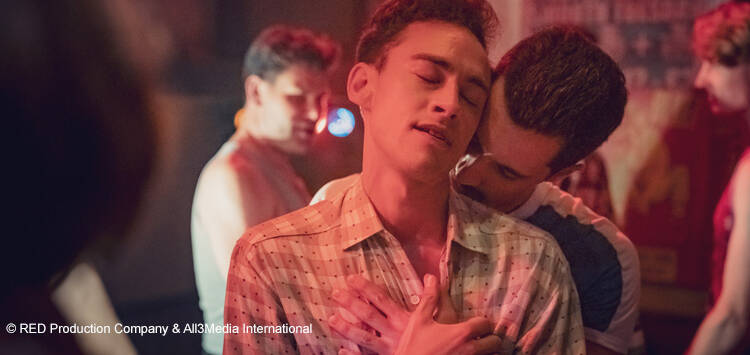
Scene from episode 1 of the TV series "Richie"
TV series brings topics such as coming out, HIV and PrEP to the media
And so "It's a Sin" is a series set in a decade long past. But because it deals with timeless themes, the series can still dock into the here and now. This is helped by the fact that the series makers have refrained from placing typical everyday objects from that era in an obtrusive and overly obvious way.
Great success among young viewers
Wide shoulder pads, new wave outfits and walkmans are almost nowhere to be found here. This also makes it easier for today's young audience to identify with their peers from the 80s and 90s.
In the UK, the series was an enormous success, especially among young viewers. And it had a side effect that should not be underestimated: topics such as Coming out, HIVThe film, today's treatment options and PrEP were widely discussed in the media - and the HIV test figures rose by more than 400 per cent after the broadcast.
Incidentally, Davies has saved one of the most impressive and unforgettable scenes in the entire TV series for the end. Jill meets up with Ritchie's mother on a harbour promenade on the Isle of Wight. The friends had previously been denied the chance to see their friend again.
Life-affirming celebration of queer self-confidence
Now Jill learns that Ritchie has already died - lonely and isolated in the bosom of the family. Russel T Davies has written a monologue for Jill that packs a punch. It is tantamount to a general reckoning. Above all, however, it formulates one of the central messages that Davies wants to convey with this TV series. It is a plea against shame and at the same time an indictment of all those who make people feel ashamed of their sexuality or HIV infection.
A plea against shame
Because only "shame makes you feel like you deserve it", says Jill. Without the shame, a freer approach to sexual identity and infection would be possible. However, shame may even be compounded by guilt because you may have passed the virus on to others.
This makes "It's a Sin" an equal counterpart to "Queer as Folk". But "It's a Sin" is also an incredibly life-affirming celebration of self-empowerment and queer self-confidence.
"It's a Sin" (Starzplay), video-on-demand on Amazon Prime Video
You can find everything you need to know about living with HIV at iwwit.de/living-with-hiv!